03 January 2013

White villages, wells and mills

Nijar: commercial, artisan and agricultural centre...


... and springboard for the village of Huebro:


... the only place in the entire holiday where we saw running water:


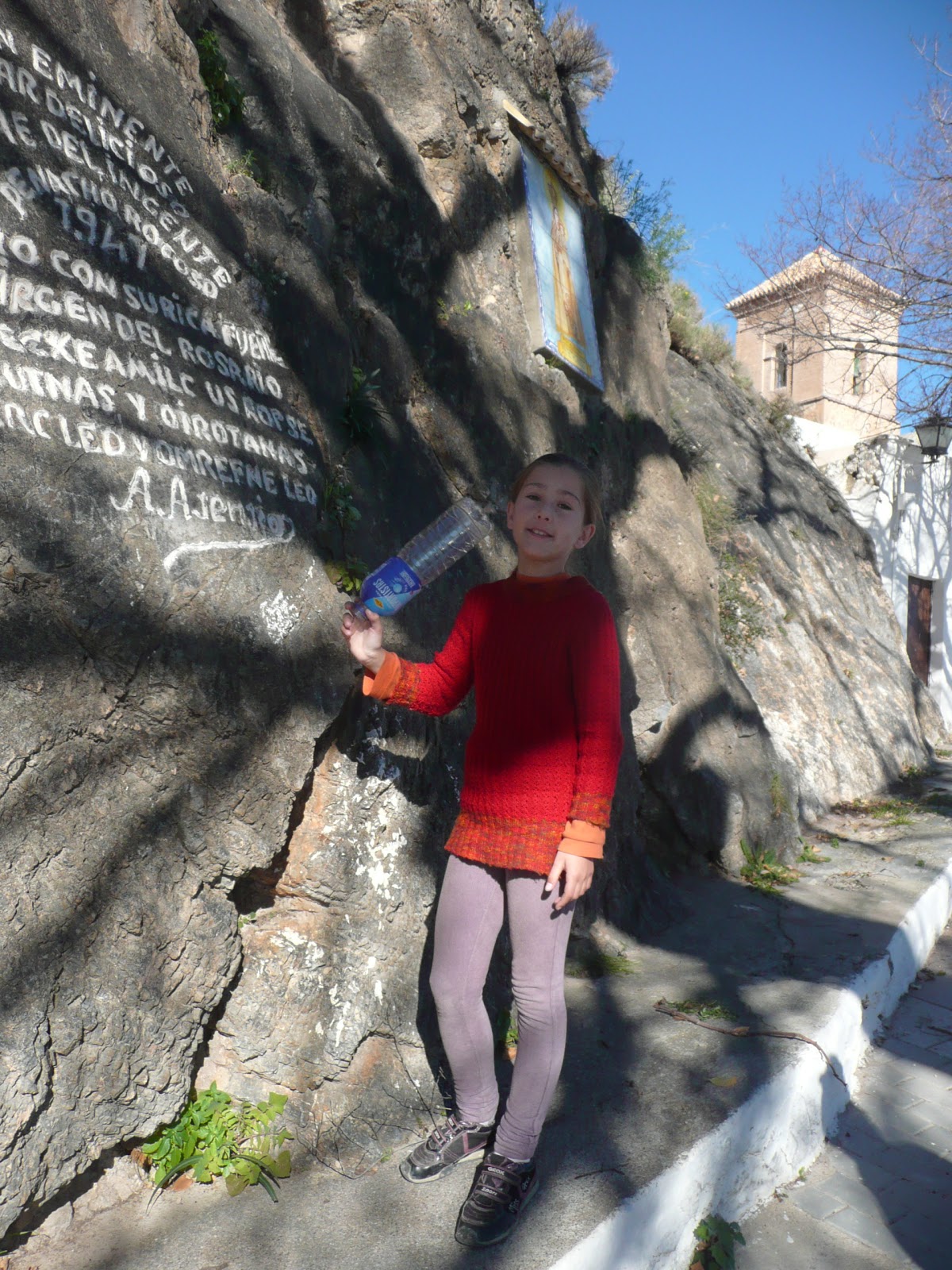
... and where a friendly 10-year-old, staying with her goat-owning grannie during the school holidays, showed us around (and sold us a cheese):


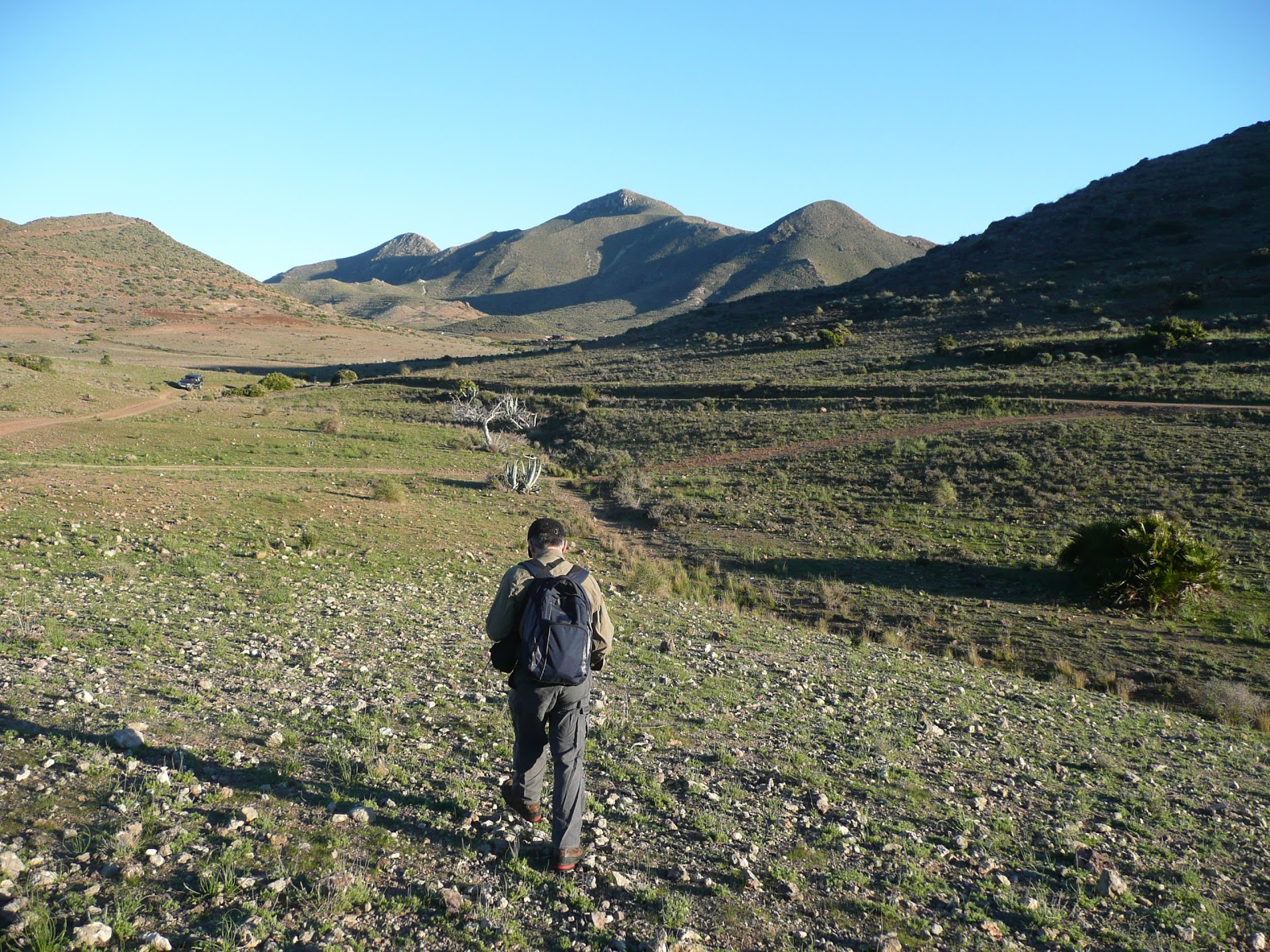
Nearer home we walked past this hamlet...


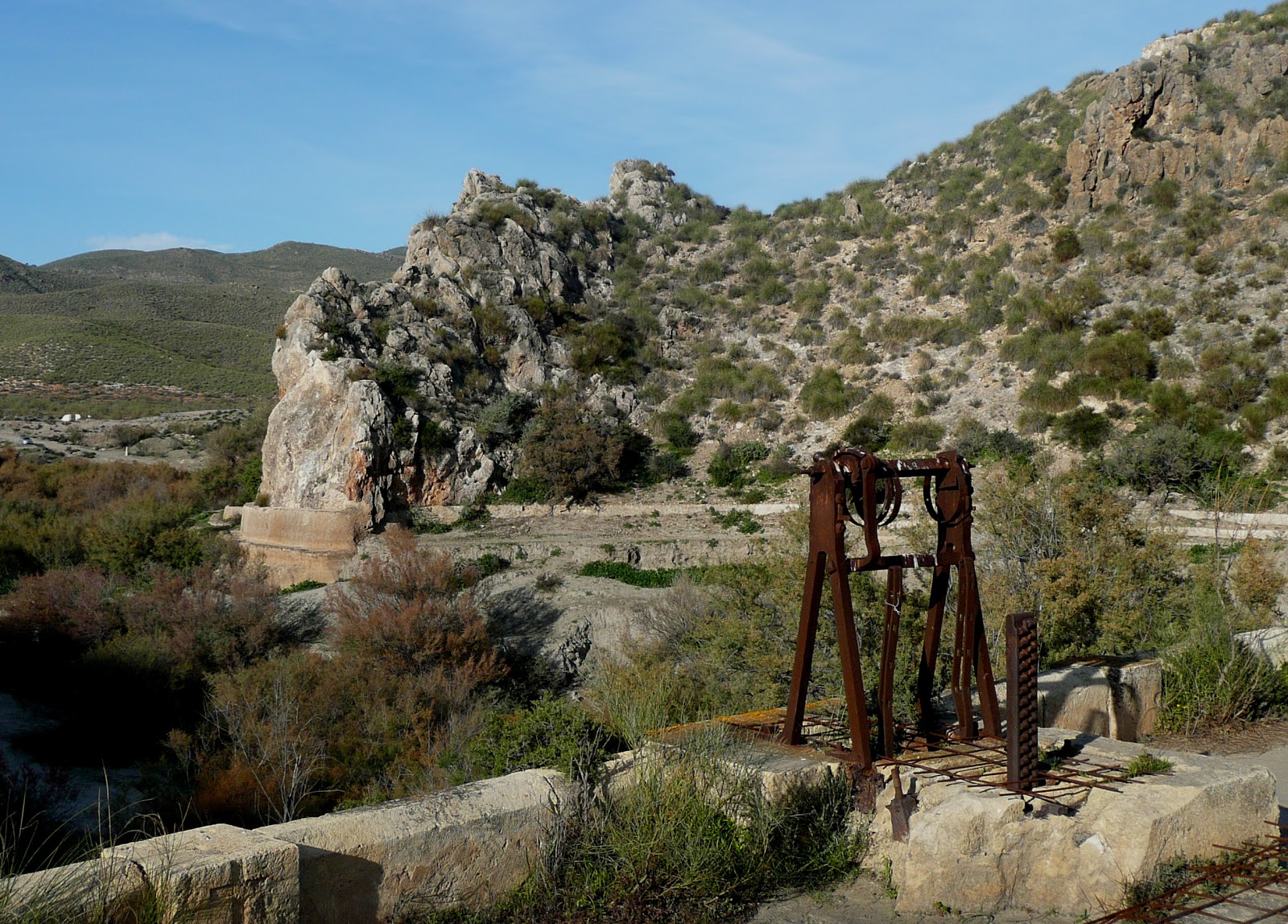
... with its ancient well...


... and wind mill.


... and here's our home sweet home (impossible to shoot in winter as it it permanently back-lit)...


Mines, quarries and dams

In our quest for flowers and beaches we barely scratched the surface of the industrial history that we tumbled on wherever we drove or walked.

Isabel II reservoir was the biggest Spanish hydraulic project of the 19th century, and the biggest fiasco: the dam silted up and the construction was abandoned. Driving there along a 4WD track a sign warned that the road would narrow. I love this - of all the risks this has to be minimal. Shortly afterward the road became impassably rutted. Then, at the dam itself, with no safety barriers and open access to the derelict building adjacent, the possibilities for mishap were rich. But, as our trusty tourist pamphlet proclaimed, "The wind, the birds and the water course will please your eardrums". And so they did.


Walking round the coast from Los Escullos to San José we passed a former gypsum mine...


... again with a ruined (administrative? residential?) building open to all. Built solidly, it looked misplaced in its isolated semi-arid surroundings:


A renovated fort...

... part of a series of coastal fortifications, was testimony to the threat of pirates and invasions from everyone and everything (including the English).

Saviour or devil incarnate? - the tomato industry

Time for a reality check: all is not exactly hunky dory in the Cabo de Gata. Especially coming from France, with its small-scale producers and agriculture that brings people together in a celebration of the good things in life, the shimmering sea of plastic was jaw-dropping. The industrial monoculture was all the more bizarre because of its invisibility - it took us a while to even glimpse that the crop was tomatoes (the shot below a rare occurrence of an open panel).


Juan read in a local newspaper the "good news" that one dynamic producer is expanding, and creating 300 new jobs in plena campana. Yippee. Even more out-of-season fruit can be transported across the planet to support our voracious demand. And yet... without this source of employment families would be forced to seek work elsewhere, as has happened at other times in history.

The environmental protection afforded to areas like the Salinas, described in my last post, is fragile: we saw the encroachment by new developments on its fringes; San José is continuing its urbanisation, eating up the surrounding countryside - new build visible even from Monsul beach. Elsewhere the thinking didn't seem joined up: Monsul would be pristine had the sizeable carpark been accompanied by a simple dry toilet. As it is, the bushes by the beach are confetti'd with loo roll.

And let's not even talk about the coastal development either side of the national park where red-faced Brits eat "nuggets chicken" between rounds of golf. Enough.

Back to happy holiday shots in the next post.

Birds, salt and dereliction: Las Salinas de Cabo Gata

After spending the day on Monsul beach we drove around to the west side of the Cabo de Gata to catch this idyllic view of the Salinas, now a bird reserve. Far away we (or, rather, Juan's super duper lens) could see flamingos.


Adjacent to the reserve, infrastructure from the former salt-panning and fishing industries lay dormant.


One sunset wasn't enough: we were back again on New Year's Eve, this time the other side of the reserve looking towards the sea. It was a last-minute decision and a wonderful gift, setting us up for a quiet celebration à deux and then a very early night!


02 January 2013

Monsul beach

We fell in love with this place. Juan finding Androcymbrium europaeum (endemic to Almeria and - we later learned - flowering at its best in 10 years), in the plain adjacent to the beach...


... just about made his holiday.

And 17 degrees, whacky "Gaudiesque" volcanic rock formations, and endless expanses of sand made mine:


While I read, Juan had a ball stomping around the nearby hills:


We then hiked along the dirt road now part of the (limited) network of walking tracks developed by the parque nacional to a point where we could look down on the Cabo itself:


Two days later (having decided to get up early rather than stay up late for the new year) we watched the sun rise over neighbouring Genoveses beach:


... then had the bonus of it re-emerging above cloud as watched from a vantage point above Monsul beach...


I hope we never forget that moment. 

Almeria

On 27 December, beneath azure skies, we drove south to the hamlet of El Pozo de los Frailes just inland from San José village and a few km from the Cabo de Gata. For four perfect days we walked on deserted beaches, botanised, read, toured historic sites, enjoyed bars and restaurants and watched the sun rise and set. Almeria is the most exotic location I've yet experienced - and still be in Europe. It reminded me at different times of Mexico, Australia, Morocco... and stirred up longings to go roaming again.

Juan's casa rural research paid off: the casa ideally located midway between the coast and inland areas that we wanted to explore. On our first evening we walked directly from the casa, accompanied by the delicious aroma of thyme underfoot...


... arriving at San José at dusk (and returning, by great good luck, by hitching) ...


The volume of photos we took is such that I will have to post them in several blocks.
Stand by!